
The Importance of Recovery Modalities for Athletes
Discover how recovery modalities like Normatec compression, soft tissue therapy, and contrast-based recovery support muscle recovery, reduce fatigue, and help athletes train and perform at a higher level. At Elite Performance Lab, recovery is strategically integrated into rehabilitation and high-performance programs to improve readiness, resilience, and long-term athletic output.
RECOVERYMOBILITYSTRENGTH AND CONDITIONING
Dr. Ryan Faubert
1/31/20267 min read
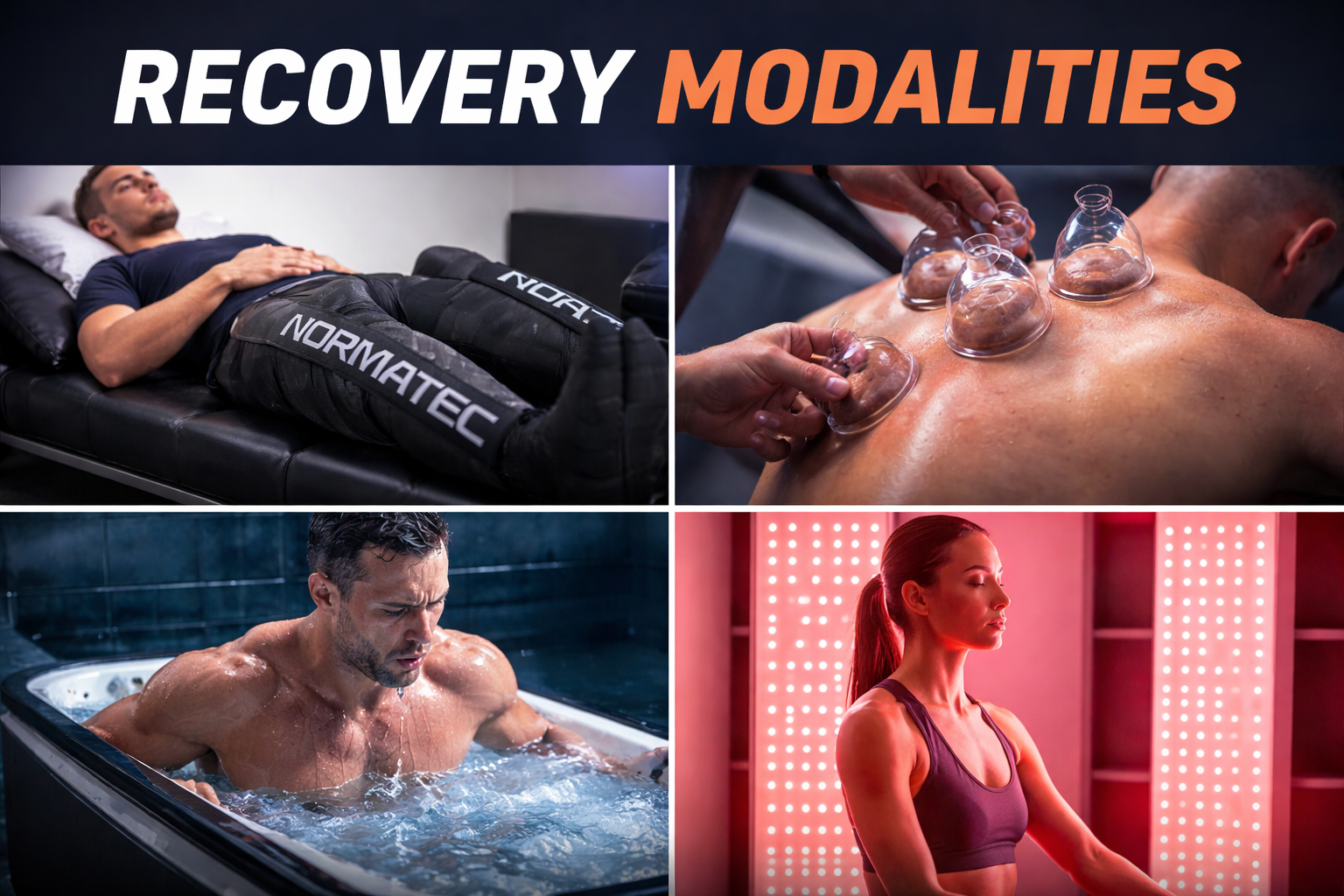
Introduction to Recovery Modalities
Recovery modalities play a crucial role in the repertoire of strategies employed by athletes to enhance performance, prevent injuries, and support overall well-being. The basic premise underlying these modalities is that adequate recovery is essential for athletes to maintain peak physical status and perform at their highest level. In an environment where competition is fierce, the time devoted to recovery can often be overlooked; however, it is as important as training itself.
Recovery modalities encompass a range of techniques designed to accelerate the recovery process and facilitate the body’s healing mechanisms. These practices vary in nature, focusing on different physiological aspects. For instance, sauna therapy has gained popularity due to its ability to improve circulation and promote relaxation through heat exposure. The increased blood flow helps mitigate muscle soreness and enhance recovery by delivering essential nutrients to fatigued tissues.
On the other hand, cold plunge therapy is rooted in the concept of reducing inflammation and managing pain through cold exposure. This modality can be particularly effective in the immediate aftermath of intense training sessions or competitions, as it helps to constrict blood vessels and limit the influx of inflammatory cells.
Additionally, advanced recovery technologies such as Normatec devices utilize dynamic compression to enhance lymphatic drainage and decrease muscle soreness. Their targeted pressure patterns help in flushing out metabolic waste from the muscles, contributing significantly to the recovery process.
Lastly, manual therapy, including techniques such as massage and myofascial release, provides another avenue for athletes to aid recovery. These hands-on approaches not only relieve muscular tension but also promote relaxation and improve flexibility, further enhancing athletic performance.
The Benefits of Sauna Therapy for Athletes
Sauna therapy is increasingly recognized as a valuable recovery modality for athletes, offering a range of physiological benefits that contribute to improved performance and health. One of the primary advantages of sauna use is its ability to promote muscle relaxation. Exposure to heat helps to increase muscle temperature, reducing muscle stiffness and enhancing flexibility. This is particularly beneficial after intense training sessions, where muscles may experience tension and soreness.
Additionally, sauna therapy is known to improve circulation. The heat from the sauna causes blood vessels to dilate, increasing blood flow to the muscles and tissues. Enhanced circulation facilitates the delivery of oxygen and nutrients to the muscles, which is crucial for recovery. At the same time, improved blood flow aids in the effective removal of metabolic waste products, further assisting in the recovery process.
Detoxification is another important benefit of sauna therapy. Sweating induced by heat exposure helps eliminate toxins from the body, including heavy metals and other harmful substances. For athletes, maintaining optimal health is paramount, and detoxification can play a significant role in achieving this goal. This process not only supports physical recovery but also contributes to overall well-being.
The positive impacts of sauna therapy extend beyond physical benefits; athletes often report enhanced mental clarity and relaxation following sauna sessions. The calming environment of a sauna can reduce stress, allowing athletes to unwind both physically and mentally. This holistic approach to recovery is critical, as mental well-being directly correlates with athletic performance.
In light of these benefits, incorporating sauna therapy into an athlete's recovery routine can lead to reduced recovery times and a meaningful improvement in both physical and mental health.
Cold Plunge: The Power of Cold Exposure
Cold plunge therapy has gained popularity among athletes seeking efficient recovery methods. Engaging in cold exposure can significantly reduce inflammation, which is crucial in the aftermath of intense physical activity. When athletes immerse themselves in cold water, the lower temperature constricts blood vessels and decreases metabolic activity. As the body warms up post-exposure, there is a notable increase in blood flow, effectively flushing out metabolic waste products that can contribute to soreness and delayed recovery.
In addition to inflammation reduction, cold plunges are recognized for their ability to alleviate muscle soreness. This therapy helps to numb nerve endings, thereby reducing the perception of pain in overworked muscles. Many athletes have reported perceptual relief after regular sessions in cold water, citing less discomfort and faster return to peak performance levels. Numerous studies have supported these anecdotal claims, showing that frequent cold exposure may lead athletes to experience reduced soreness onset after strenuous exercises.
Moreover, cold plunge therapy has been linked to increased recovery speed. Athletes can experience more effective recovery through a systematic application of cold exposure in their training regimens. Research indicates that those who incorporate cold plunges post-exercise may recover quicker compared to those who undergo other passive recovery treatments. This is particularly beneficial in competitive environments where athletes strive to maintain high-performance levels across multiple events. Overall, incorporating cold plunge therapy into recovery protocols can equip athletes with a powerful tool to maximize their resilience and performance.
Normatec devices represent an innovative advancement in sports recovery technology, specifically designed to enhance the recuperation process for athletes. These sophisticated compression devices work on the principle of dynamic air compression, targeting the limbs through a series of inflatable sleeves. When worn, these sleeves create a pulsating massage, which is tailored to improve blood flow and stimulate the lymphatic system. This action is vital to effectively facilitate lymphatic drainage, helping to reduce muscle soreness and accelerate overall recovery.
The unique mechanism of the Normatec devices can significantly assist in managing the physiological demands placed on athletes during training sessions and competitions. By utilizing a technology that mimics the natural muscle pump, the devices not only ensure that metabolic waste is efficiently removed from the body but also encourage the replenishment of essential nutrients to the muscles. Scientific studies have substantiated the efficacy of these devices, indicating that athletes who incorporated Normatec sessions experienced diminished swelling and soreness post-exercise compared to those who did not.
In recent years, numerous athletes have provided testimonials praising the benefits of Normatec compression therapy. For instance, elite marathon runners have reported expedited recovery times between intense training runs, allowing them to maintain optimal performance levels. Additionally, professional football players have highlighted the way these devices contribute to injury prevention by ensuring their muscles are appropriately cared for after high-impact activities.
In summary, Normatec devices play a crucial role in the recovery process for athletes, serving as an investment in their performance and well-being. By harnessing cutting-edge technology to promote lymphatic drainage, reduce swelling, and alleviate muscle soreness, these devices have established themselves as a valuable resource in the realm of athletic recovery.
Manual Therapy: Harnessing the Power of Touch
Manual therapy encompasses a range of therapeutic techniques that utilize touch and manipulation to alleviate physical discomfort, reduce tension, and promote overall relaxation. This form of therapy includes practices such as massage, osteopathy, and chiropractic adjustments. Each of these methods focuses on restoring balance and function within the body, thereby enhancing the recovery process for athletes.
Massage, one of the most widely recognized forms of manual therapy, involves the manipulation of soft tissues. This technique not only helps in relieving muscle tension but also enhances blood circulation, which can accelerate the healing process. Beyond physical benefits, massage can also contribute to a reduction in stress levels, which is vital for optimal athletic performance.
Osteopathy approaches health by considering the interrelation between the body's systems. Practitioners utilize a combination of stretching, resistance, and pressure to promote overall wellness. This technique ensures that the body's musculoskeletal framework is aligned, which can lead to improved mobility and reduced pain. For athletes, osteopathic techniques can be particularly beneficial in addressing issues linked to injuries sustained during training or competition.
Similarly, chiropractic adjustments focus on the alignment of the spine and musculoskeletal system. By correcting misalignments, chiropractic care can alleviate discomfort and enhance range of motion. This is especially important for athletes who demand high levels of physical performance and need their bodies to function optimally.
However, to reap the full benefits of manual therapy, it is essential to seek a qualified therapist. A professional practitioner will possess the necessary expertise and training to tailor the techniques to meet individual athlete needs and facilitate recovery effectively. Engaging in manual therapy as part of a comprehensive recovery plan can significantly contribute to achieving an athlete's performance goals.
Combining Modalities for Optimal Recovery
Combining various recovery modalities can significantly enhance the overall recovery process for athletes. Each modality offers distinct benefits, and when integrated effectively, they can provide a synergistic effect that promotes optimal recovery. For instance, incorporating sauna sessions with cold plunge therapy can help manage inflammation and facilitate muscle relaxation. The heat from the sauna increases blood circulation, which aids in the delivery of nutrients to the muscles, while the cold plunge helps to decrease swelling and reduce muscle soreness.
In addition to sauna and cold water immersion, athletes may consider incorporating Normatec devices into their recovery regimen. These pneumatic compression systems are designed to enhance circulation and decrease muscle soreness through a series of pulsing compressions. The timing of using Normatec—preferably after activities that involve heavy exertion—can maximize its effectiveness. It is advisable to utilize such devices after complementary modalities to facilitate recovery further.
Manual therapy, which includes massage techniques or physical therapy, should also be incorporated into the recovery plan. The timing of manual therapy treatment can vary based on the athlete's schedule; however, it is often recommended before engaging in heat or cold therapy. This strategy can ensure that the muscles are adequately prepared for tension relief and recovery.
A balanced recovery program could look like this: an athlete may start their routine with a manual therapy session, followed by a sauna session to promote blood flow. Subsequently, they could transition into a cold plunge for inflammation control, before concluding with Normatec therapy for compression and muscle relaxation. A well-structured sequencing of these modalities is essential for maximizing their benefits and ensuring a comprehensive recovery approach.
Conclusion: Prioritizing Recovery for Athletic Success
In the world of athletics, the significance of recovery modalities should not be underestimated. Recovery is not merely an afterthought or a passive phase; rather, it is a critical component of an athlete's training regimen. Adequate recovery allows athletes to repair tissues, replenish energy stores, and ultimately enhance their performance during subsequent training and competitions. Implementing effective recovery strategies can reduce the risk of injuries, optimize muscle rebuilding, and ensure that athletes remain competitive over time.
Various recovery modalities, such as active recovery, cold therapy, and proper sleep, each play a unique role in the recovery process. Active recovery, for instance, helps alleviate soreness and promotes blood circulation, while cold therapy can effectively reduce inflammation. Incorporating strategies like proper hydration and nutrition is equally vital, as they provide the necessary support for physical replenishment. Athletes looking to achieve long-term success must prioritize these modalities, as neglecting recovery can lead to burnout and decreased performance.
Furthermore, understanding the importance of psychological recovery is paramount. Mental fatigue can impact athletic performance just as much as physical fatigue, emphasizing the need for rest and stress management techniques. This holistic approach to recovery will equip athletes not only to excel in their respective sports but also to enjoy longevity in their athletic careers.
In summary, integrating proper recovery modalities into an athlete's training plan is essential for achieving peak performance and ensuring longevity. Athletes must recognize that recovery is an integral part of their overall training strategy. By prioritizing recovery, athletes can enhance their resilience, maximize performance gains, and maintain their physical and mental well-being.
Get in touch
Share with visitors how they can contact you and encourage them to ask any questions they may have.
Contact
Reach out for appointments and inquiries
© 2025 Elite Performance Lab Inc. All rights reserved.