
Integrating Healthcare Services in High-Performance Training: A Game Changer for Athletes and Facility Owners
How integrated healthcare benefits both athletes and the facilities that support them.
FACILITY MANAGEMENT
Dr. Ryan Faubert
1/25/20265 min read
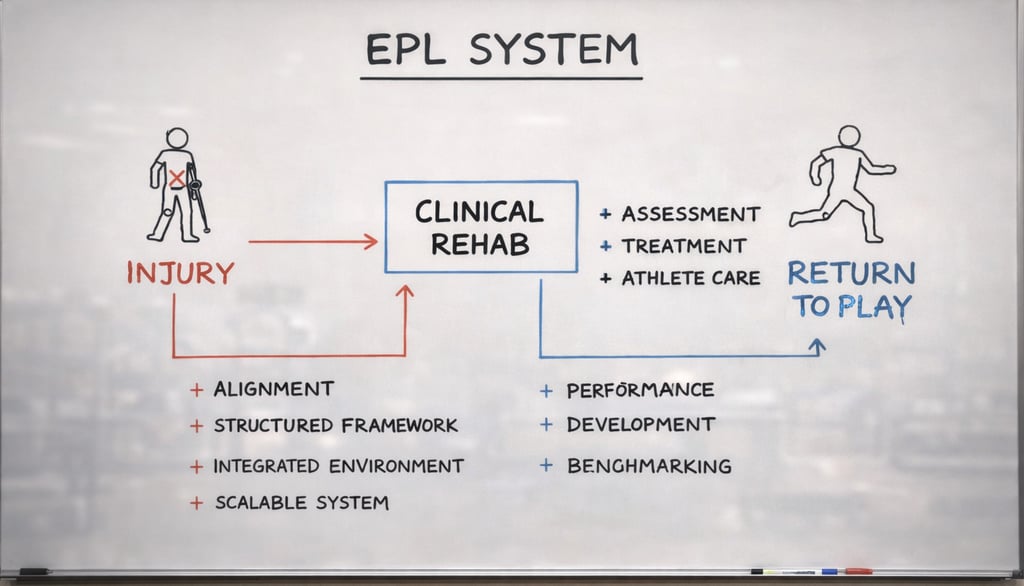
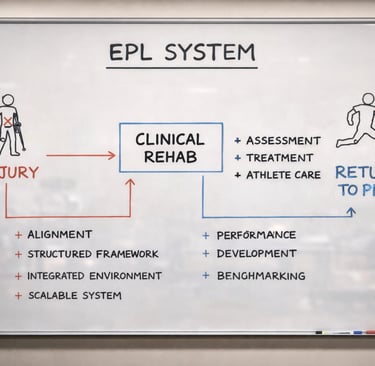
The Importance of Integrating Clinical Care in High-Performance Training Facilities
At Elite Performance Lab, integrating chiropractic, physiotherapy, and rehabilitation directly into high-performance training facilities is not an add-on, it is the foundation of our system. By embedding clinical care within the training environment, we eliminate the disconnect between rehabilitation and performance, creating a unified approach to athlete development. As athletes push physical limits, injury risk is an expected part of the process. Having clinicians on site ensures care decisions are immediate, informed, and aligned with training demands, making integrated clinical services essential to both athlete health and long-term performance outcomes.
By embedding clinical services directly into the training process, Elite Performance Lab enables proactive injury management rather than reactive care. With clinicians operating on site, issues can be assessed and addressed immediately, often before they become limiting or time-loss injuries. This real-time access allows training loads and rehabilitation strategies to be adjusted in parallel, minimizing downtime while maintaining performance intent. The result is consistent, uninterrupted training supported by clinical decision-making that evolves alongside the athlete, rather than after problems escalate.
This infrastructure also elevates athlete education and long-term resilience. Through ongoing exposure to clinicians, athletes develop a deeper understanding of injury prevention, recovery strategies, and self-management techniques. Regular chiropractic and physiotherapy support helps maintain mobility, joint integrity, and muscular balance, which are key components of sustainable performance. With clinicians consistently present, care is individualized and continuously adjusted, creating an environment where improvement is intentional rather than reactive.
For facility owners, this model strengthens both value and competitiveness. Integrating clinical services directly into the facility positions it as a complete performance ecosystem rather than a standalone training space. Athletes benefit from seamless access to training, rehabilitation, and recovery under one roof, while facilities benefit from stronger athlete retention, enhanced reputation, and aligned service offerings. The result is a performance-driven community where health, development, and long-term success are prioritized at every level.
Improved Communication: Bridging the Gap Between Coaches and Clinicians
Elite Performance Lab’s embedded clinical model eliminates the communication gaps that commonly break down athlete rehabilitation and performance. By placing clinicians directly inside high-performance training environments, coaches and clinicians operate within the same system, allowing training and rehabilitation to function as one coordinated process rather than separate conversations. This alignment improves athlete outcomes while significantly reducing injury risk.
A key advantage of this model is the creation of a unified approach to athlete management. With direct, ongoing access to clinicians, coaches gain real-time insight into an athlete’s physical status, rehabilitation progress, and loading recommendations. This allows training plans to be adjusted immediately, ensuring athletes continue to develop while respecting recovery constraints, rather than being pulled entirely from training.
In facilities operating under this integrated approach, regular clinician–coach touchpoints ensure consistent decision-making around workload, return-to-play timelines, and progression criteria. This shared framework reduces mixed messaging, lowers injury recurrence, and keeps athletes progressing with clarity and confidence.
Ultimately, embedding healthcare within the training environment fosters a culture of shared responsibility. Coaches become more proactive in recognizing injury risk, clinicians gain a deeper understanding of sport-specific demands, and athletes benefit from a system that prioritizes performance without compromising long-term health.
Enhancing Performance and Confidence
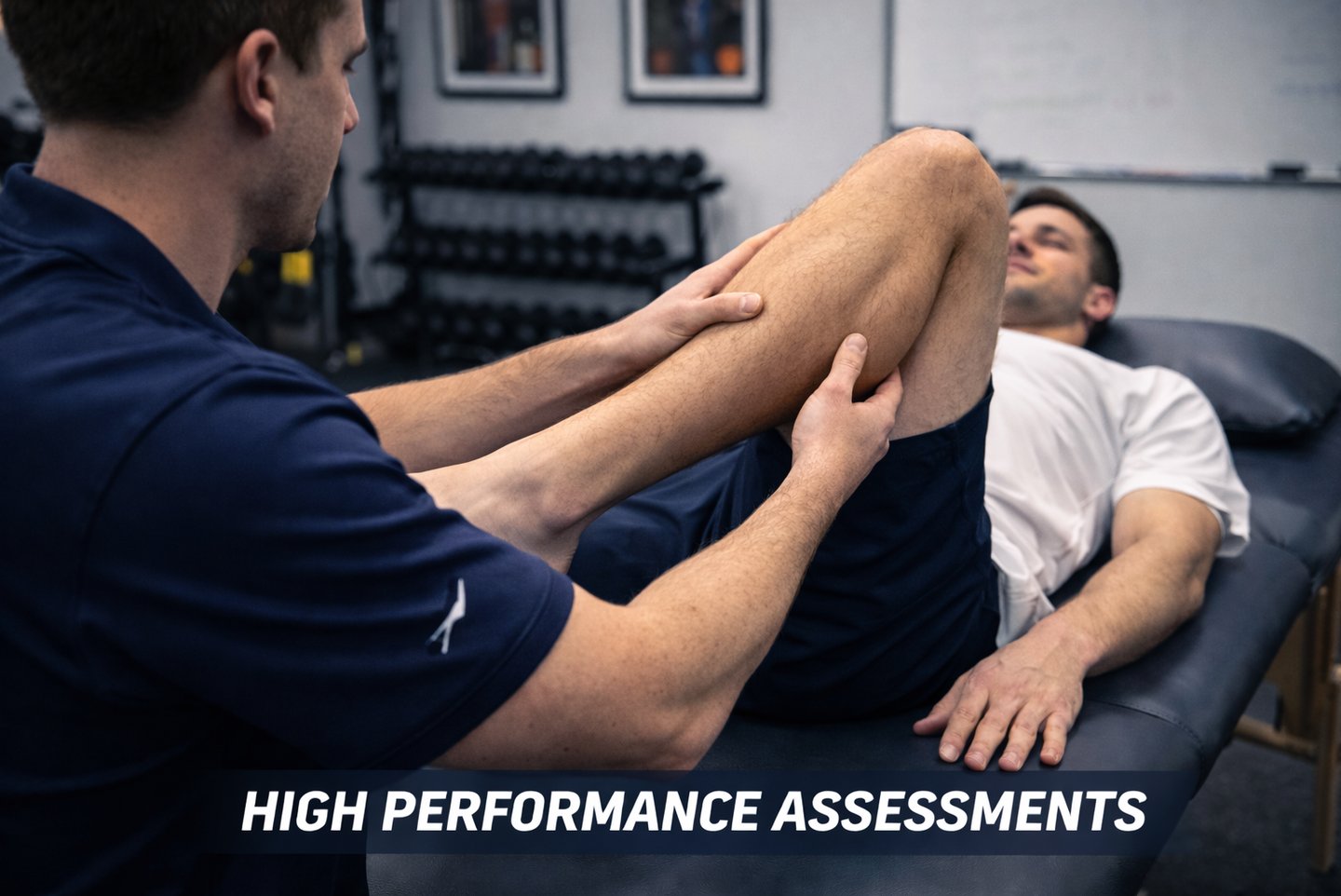
Embedding healthcare services within athletic training programs provides measurable benefits that directly impact both performance and athlete confidence. One of the most significant advantages is the reduction in injury-related downtime. In traditional training environments, athletes are often left to self-manage recovery, increasing the risk of delayed treatment or misjudging injury severity. By contrast, an integrated clinical approach, incorporating chiropractic care, physiotherapy, and sports medicine support, allows for immediate assessment and informed clinical decision-making.
This proximity enables faster diagnoses, targeted rehabilitation strategies, and timely modifications to training loads, all of which help athletes remain engaged in development rather than sidelined unnecessarily. Addressing biomechanical limitations early also reduces the likelihood of recurring injuries, creating a more resilient athlete over time. When care and training evolve together, athletes spend less time recovering and more time performing at a high level.
In addition to minimizing recovery time, integrated healthcare services provide better continuity of care. When athletes regularly engage with a team of healthcare professionals, their training regimens can be tailored according to their evolving health statuses and performance metrics. This adaptation ensures that athletes are not merely competing; they are competing at their optimal capacity. The close collaboration among trainers and healthcare providers fosters a holistic approach to athlete health, encompassing both mental and physical wellness, which is crucial for successful performance.
Furthermore, this integration bolsters athletes' confidence. Knowing that they have the support of a multidisciplinary team allows athletes to focus on their performance rather than the fear of injury or health setbacks. Confidence is a critical factor in competitive sports, and athletes who feel secure in their health management are more likely to push their limits. When convinced that they are participating in a safe and effective training environment, athletes can fully commit to their training regimens and competitions, ultimately leading to improved results.
Operational Advantages for Facilities: Ensuring Efficiency and Revenue Alignment
This model also delivers meaningful operational and business advantages. Facilities that integrate healthcare services into their daily operations often see improved athlete retention, as consistent access to high-quality care supports better recovery, fewer time-loss injuries, and sustained performance. When athletes feel supported in both their health and development, they are more likely to remain committed to the facility long term.
From an operational standpoint, integrated clinical services create more efficient and cohesive systems. Training and care no longer operate independently, reducing duplication, administrative friction, and scheduling challenges. With clinicians working on site, athlete needs can be addressed immediately and training plans adjusted accordingly, allowing staff to operate within a shared framework rather than separate workflows. This alignment promotes clearer communication, smoother operations, and a higher standard of service delivery.
In addition, embedded clinical care introduces an aligned and sustainable revenue stream that complements existing training services. By offering comprehensive performance, rehabilitation, and recovery support under one roof, facilities strengthen their market position while diversifying income. The result is an operation that prioritizes athlete experience, supports long-term financial stability, and positions the facility as a leader in integrated athlete development.
Integrate Clinical Care Into Your Facility








Contact
Reach out for appointments and inquiries
© 2025 Elite Performance Lab Inc. All rights reserved.